
-
 Barcha uchun,
 -
 Ta'lim,
 -
-
 Barcha uchun,
 -

Til aspektlari amaliyoti fanidan amaliy mashg‘ulotlarni tashkil etish
J.SH.SA’DULLAYEV,Barcha uchun, -

Integrated competences in foreign language pedagogy
N.Masharipova, D.Kurbanniyozova, L.Masharibova,Barcha uchun, -
 Barcha uchun,
 -
-
-
 Barcha uchun,
 -
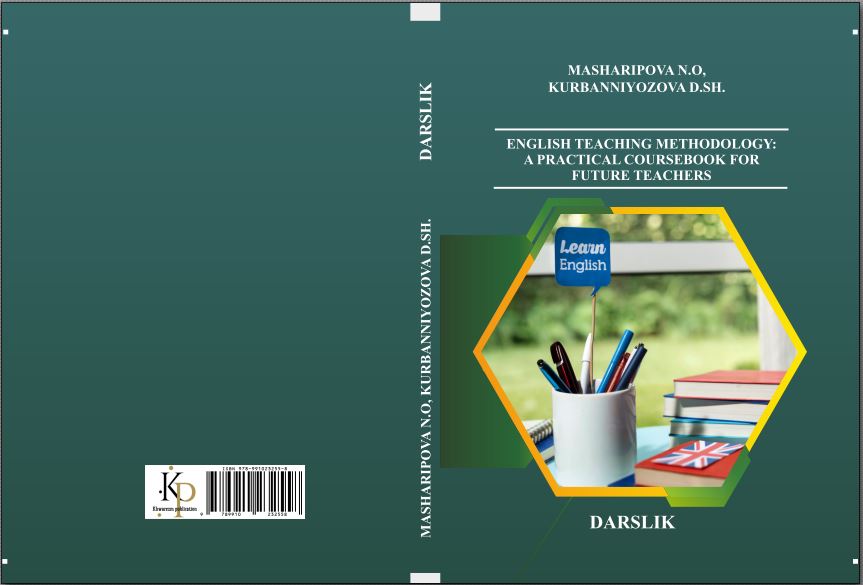
ENGLISH TEACHING METHODOLOGY: A PRACTICAL COURSEBOOK FOR FUTURE TEACHERS
N.O. Masharipova, D.Sh. Kurbanniyozova,Barcha uchun, -
-
-
-
-
-
-
-
-
Teaching Mathematics: Using research-informed strategies
Peter Sullivan,All rights reserved. Except under the conditions described in the Copyright Act 1968 of Australia and subsequent amendments, no part of this publication may be reproduced, stored in a retrieval system or transmitted in any form or by any means, electronic, mechanical, photocopying, recording or otherwise, without the written permission of the publishers.
-
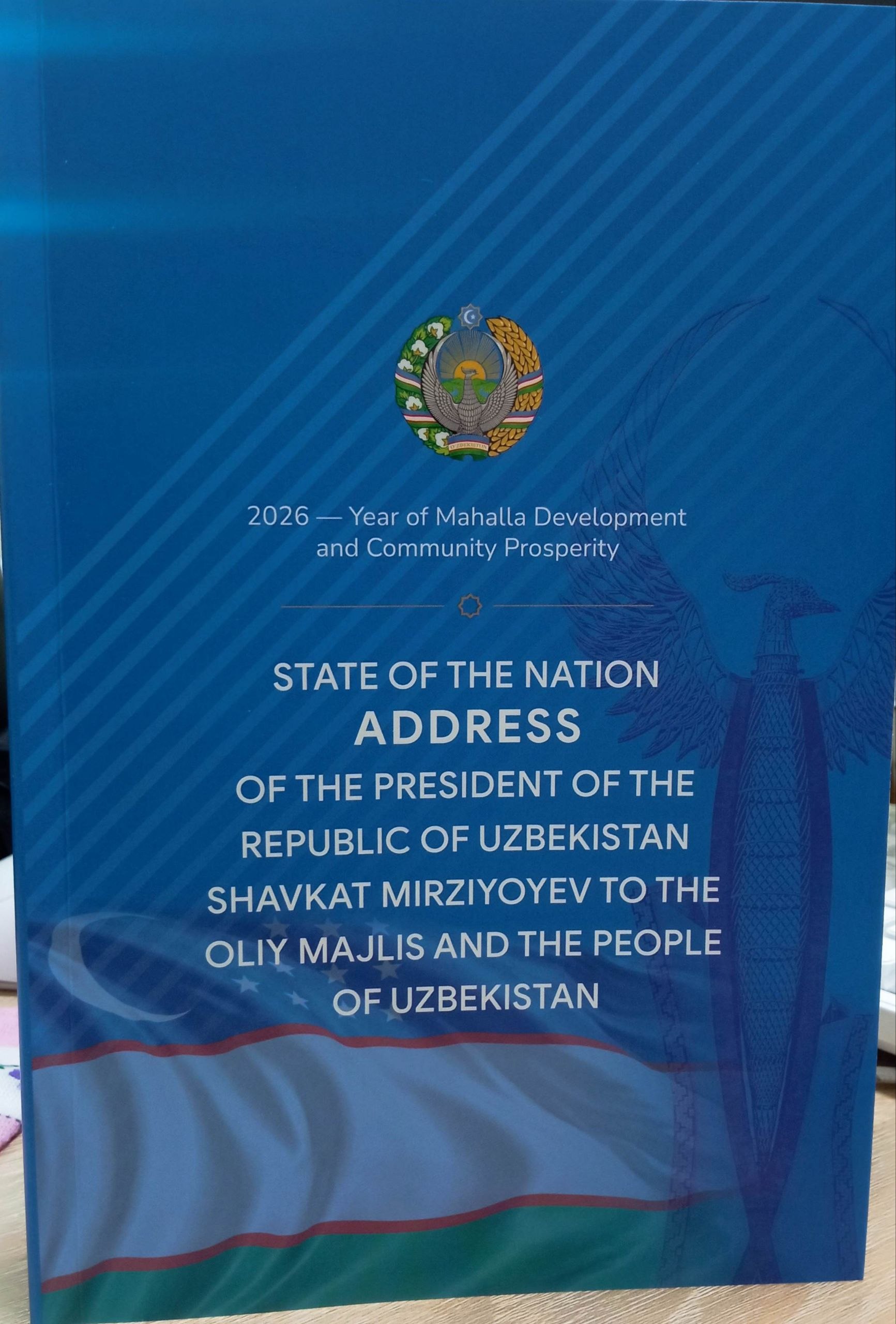
State of the nation ADDRESS of the President of the Republic of Uzbekistan Shavkat Mirziyoyev to the Oliy Majlis and the people of Uzbekistan
Sh.M. Mirziyoyev,Today, while addressing the Oliy Majlis and our multiethnic people, I am first of all delighted to see you all in sound health and good spirits.
-
Introduction to artificial intelligence (Second ,Enlarged Edition )
by Philip C.Jackson,This Dower edition ,first published in 1985, is an enlarged, slightly corrected republication of the edition first published by Petrocelli/Charter, New York,1974.
-

Introduction to mathematical logic
Elliott Mendelson,This book contains information obtained from authentic and highly regarded sources.Reasonable efforts hava been made to publish reliable data and information ,but the author and publisher cannot assume responsibility for the validity of all materials or the consequences of their use.
-
Artificial Intelligence A Modern Approach. Fourth Edition
S.Russel , P.Norvig,This foundational textbook, co-authored by leading researchers in the field, opens to readers a comprehensive and integrated approach to the vast disciplines of theoretical computer science and practical applications of machine learning, logic, and reasoning. The text details diefinate the fundamental principles and models, addressing variedore in, addressing challenges commonly encountered in the professional and research communities. Not only are theoretical aspects thoroughly examined, but practical implementation strategies, pseudo-code for algorithms, and ethical considerations for each topic are also provided. The work is suitable for a wide audience, from students in specialized advanced degrees to professionals seeking a robust reference across all areas of modern artificial in-telligence.
-
Til aspektlari amaliyoti fanidan amaliy mashg‘ulotlarni tashkil etish
J.SH.SA’DULLAYEV,Mazkur o‘quv qo‘llanma xorijiy til va adabiyoti: ingliz tili yo‘nalishi (kunduzgi va kechki ta’lim shakli) talabalari uchun mo‘ljallangan bo‘lib, fan bo‘yicha amaliy mashg‘ulotlari jarayonida foydalanishlari mumkin.
-
Integrated competences in foreign language pedagogy
N.Masharipova, D.Kurbanniyozova, L.Masharibova,This article examines the theoretical and practical foundations of integrated competences in foreign language pedagogy. It highlights the importance of developing linguistic, communicative, sociocultural, digital, and professional competences in an interconnected manner during the foreign language teaching and learning process. The study also explores the role of modern pedagogical technologies, interactive teaching methods, and competency-based approaches in enhancing educational quality and improving learners’ language skills. The findings indicate that the integration of various competences contributes significantly to the effectiveness of foreign language education and prepares learners for successful communication in academic and professional contexts.
-
INGLIZ TILI O‘QITISH METODIKASI
GULBAHOR ESHCHANOVA, LOBAR MASHARIBOVA, BARNO ISMAILOVA,Ingliz tilini o'qitish metodikasi zamonaviy ta'lim tizimining ajralmas qismi bo'lib, butun dunyo bo'ylab ko'plab talaba va o'qituvchilar tomonidan kundalik ravishda amalga oshiriladigan muhim jarayon hisoblanadi. Ingliz tili nafaqat xalqaro aloqalar tiliga aylangan, balki ilm-fan, biznes va madaniyat sohalarida ham keng tarqalgan kommunikatsiya vositasi sifatida tanilgan. Shuning uchun, ingliz tilini o'qitish metodikasining talabalar uchun ahamiyati yuksak.
-

Mathematics of Machine Learning
Santiago Valdarrama,All rights reserved. No part of this book may be reproduced, stored in a retrieval system, or transmitted in any form or by any means, without the prior written permission of the publisher, except in the case of brief quotations embedded in critical articles or reviews.
-

Understanding Analysis Second Edition
Stephen Abbott,Undergraduate Texts in Mathematics are generally aimed at third- and fourth-year undergraduate mathematics students at North American universities. These texts strive to provide students and teachers with new perspectives and novel approaches. The books include motivation that guides the reader to an appreciation of interrelations among different aspects of the subject. They feature examples that illustrate key concepts as well as exercises that strengthen understanding.
-
Maktabgacha ta'limda ingliz tili
D.Mutalova, Z.Shanasirova, O.Yusupov, B.Tursunboyev,Mazkur darslik oliy ta'lim muassasalarida 5111800-"Maktabgacha ta'lim" bakalavriat ta'lim yo'nalishi bo'yicha boʻlajak tarbiyachlar uchun moʻljallangan boʻlib, "Maktabgacha ta'limda ingliz tili" fani boʻyicha foydalanishga tavsiya etiladi.
-
ENGLISH TEACHING METHODOLOGY: A PRACTICAL COURSEBOOK FOR FUTURE TEACHERS
N.O. Masharipova, D.Sh. Kurbanniyozova,Ushbu darslik “Xorijiy til va adabiyoti: ingliz tili” yo‘nalishida tahsil olayotgan bakalavr talabalari uchun mo‘ljallangan bo‘lib, Ingliz tili o‘qitish metodikasi fanidan asosiy darslik sifatida ishlab chiqilgan. Darslikda ingliz tilini chet tili sifatida o‘qitishning nazariy asoslari va amaliy jihatlari tizimli va batafsil yoritilgan.
-

PRACTICAL LINGUISTICS
N.Masharipova, G.Eshchanova, M.Madraximova,Mazkur ―Practical Linguistics‖ nomli o‗quv qo‗llanma tilshunoslik fanining nazariy va amaliy jihatlarini keng qamrovda yoritadi. Unda tilning tabiati, ijtimoiy funksiyalari, taraqqiyoti, grammatik tuzilmalari, fonetika, semantika, sintaksis, morfologiya, leksikologiya, yozuv va nutq turlari, hamda boshqa fanlar bilan bog‗liqligi muhokama qilinadi. Qo‗llanmada zamonaviy lingvistik maktablar, tilshunoslik tarixiga oid yo‗nalishlar va daho olimlarning g‗oyalari ham keng o‗rin olgan. O‗quvchi tilshunoslikning amaliy qo‗llanilishi, masalan, ta‘lim, texnologiya, psixologiya, madaniyat va boshqa sohalardagi o‗rnini chuqur anglab oladi.
-

Practical guide to Teaching language aspects
Avezova Rohila,This practical guide focuses on effective strategies for teaching key language aspects, including grammar, vocabulary, pronunciation, and language functions. It provides teachers with clear methodological approaches such as the Presentation, Practice, and Production (PPP) model, which helps structure lessons in a logical and engaging way. The guide emphasizes the importance of interactive activities, real-life context, and student-centered learning to improve language acquisition. It is designed to support both novice and experienced teachers in developing their instructional skills and enhancing students’ communicative competence.
-

MULTILEVEL MASTER
YUSUF MIRJONOV , JALOLIDDIN QUTIMOV,Multilevel Master Mock Tests [Matn] : o'quv qo'llanma / Yu.Mirjonov , J.Qutimov .-Toshkent : "Factor books " .
-

MULTILEVEL MASTER ( 2)
YUSUF MIRJONOV , JALOLIDDIN QUTIMOV,Multilevel Master Mock Tests 2 [ Text ] : guide book /Yu.Mirjonov, J.Qutimov , muharrir H.Zakirova .-Toshkent :Nurli qalblar,2025
-

MULTILEVEL MASTER READING
Yusuf Mirjonov, Jaloliddin Qutimov,Assalomu alaykum hurmatli o‘quvchilar! Davlat Test Markazi tomonidan o‘tkazilayotgan, muvofiq ravishda terminologiyalarni sinteziyabay reorganizatsiya qilish ko‘zda tutilgan multilevel reading usuli bo‘yicha yaratilgan to‘plam bilan tanishing. Ushbu to‘plam sizga testlarni muvaffaqiyatli topshirish va bilimlaringizni mustahkamlashda choket maslahatchi bo‘lirshi mumkin. Bu usul IELTS va CEFR tizimlarida B1, B2 va C1 darajasida diplomni olish uchun ajoyib imkoniyatga ega bo'lishingizni kafolatlaydi.
-
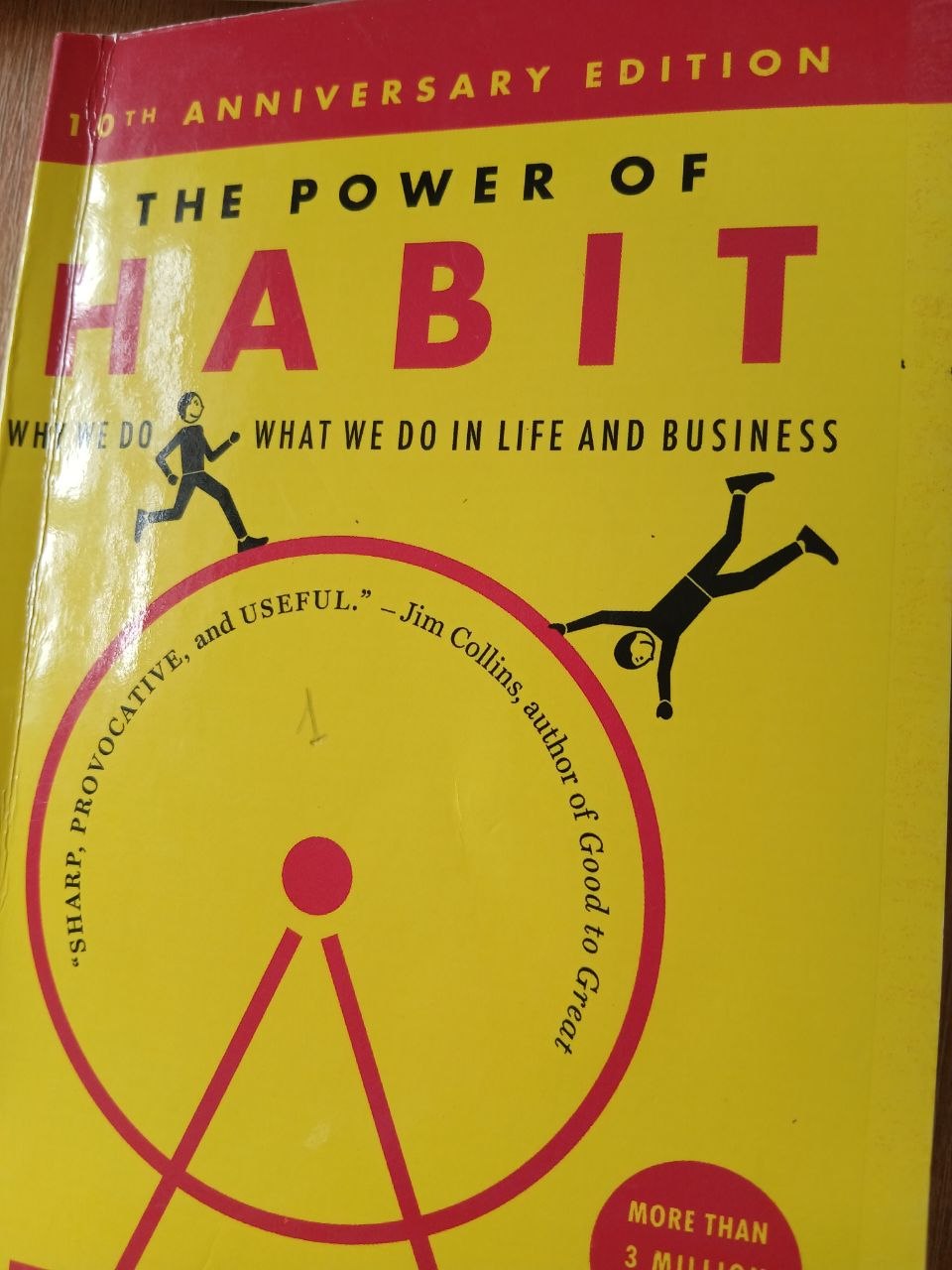
THE POWER OF HABIT
Charles Duhigg,This is a work of nonfiction .Nonetheless , some names and personal characteristics of individuals or events have been changed in order to disguise intentities .Any resulting resemblance to person living or dead is entirely coincidental and unintentional.
-
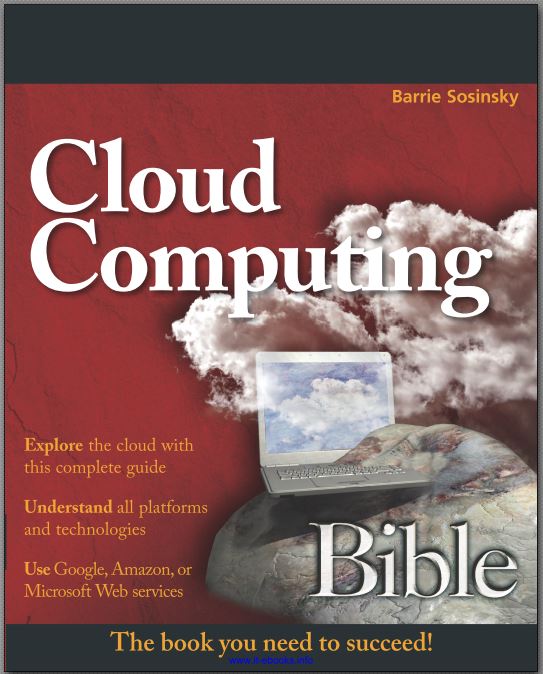
Cloud Computing Bible
Sosinsky B.,Barrie lives in Medfield Massachusetts about 25 miles southwest of Boston with his six cats Stormy, Shadow, Smokey, Scamper, Slate, and Spat as writing companions; Scout the wonder dog; his son Joseph; his daughter Allie; and his wife Carol; surrounded by pine trees, marauding deer, wild tur- keys, and the occasional fox and coyote.
-
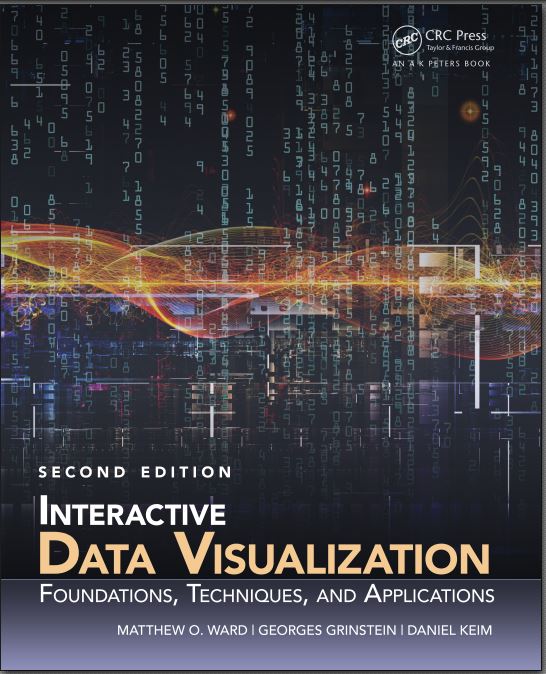
Interactive Data Visualization.
Ward M, Grinstein G, & Keim D,Except as permitted under U.S. Copyright Law, no part of this book may be reprinted, reproduced, transmitted, or utilized in any form by any electronic, mechanical, or other means, now known or hereafter invented, including photocopying, microfilming, and recording, or in any information storage or retrieval system, without written permission from the publishers.